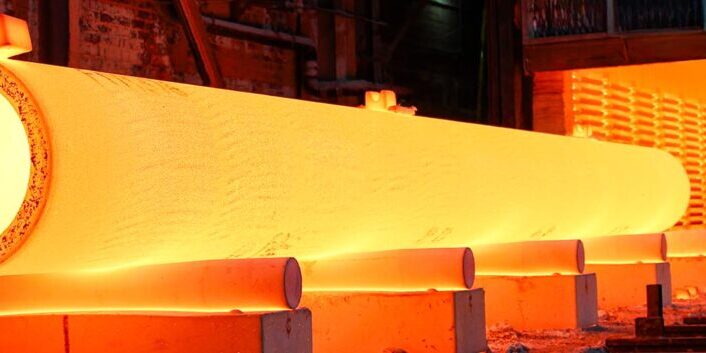
Nuclear Metal Castings for Small Modular Reactors and Microreactors
By: Dan Hermanson
Rising global energy demand is giving new attention to nuclear energy as a dependable, carbon-free source of baseload power. While traditional nuclear power plants remain critical to the mix, small modular reactors (SMRs) and microreactors can provide more flexible and scalable sources of nuclear energy.
This growing interest in SMRs and microreactors offers new opportunities for nuclear component suppliers that can meet the nuclear industry’s stringent quality requirements. As these advanced reactor technologies move from development to deployment, reactor designers and equipment manufacturers will require nuclear-grade metal castings that meet demanding performance, traceability, documentation, and regulatory requirements.
The Growing Importance of SMRs and Microreactors
Traditional nuclear power plants have supplied reliable electricity for decades, but their enormous size, lengthy construction timelines, and massive capital requirements create significant barriers to new development.
SMRs and microreactors are designed to address these challenges. Their smaller footprint, modular construction, and scalable designs enable deployment in locations where conventional reactors are impractical or even impossible. The nuclear industry expects SMR and microreactor growth to accelerate over the next decade as energy demand, energy security concerns, and global decarbonization goals drive investment.
Potential applications for advanced reactor technologies include:
- Utility-scale power generation
- Industrial process heat
- Data center power
- Remote communities
- Military and government installations
- Off-grid energy production
As deployment increases, the need for qualified nuclear component suppliers will grow.
Why Metal Castings Matter in Nuclear Energy Applications
Metal castings play a key role in nuclear power systems. Reactor and balance-of-plant systems depend on metal castings that can operate under challenging conditions, including high temperature, high pressure, and corrosive atmospheres.
Examples of metal casting applications in advanced nuclear technologies include:
- Pump components
- Valve bodies and internals
- Housings
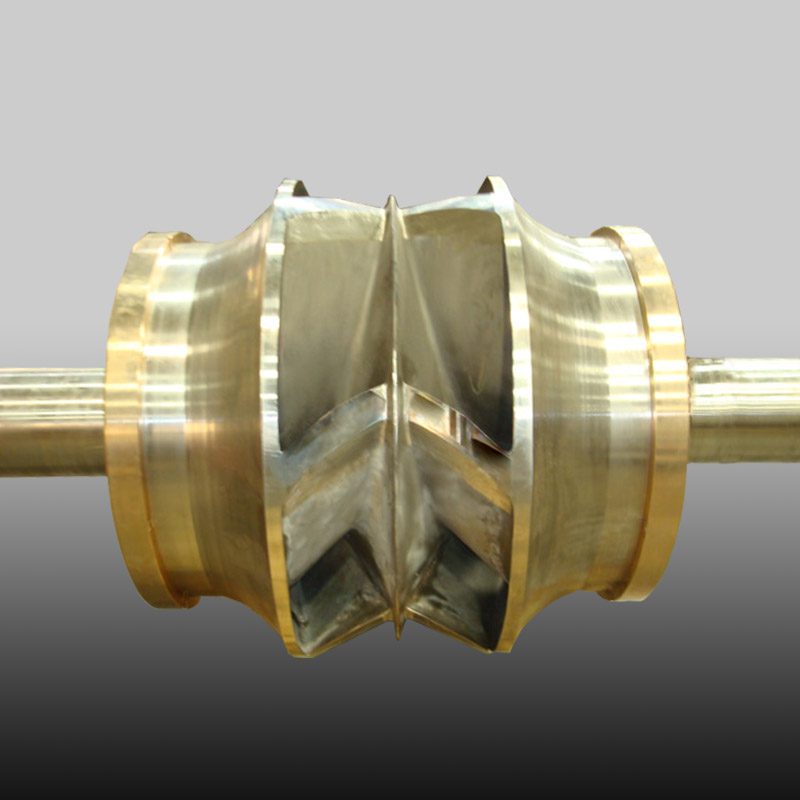
- Volutes
- Fuel support structures
- Flow-control components
- Structural reactor support components
These applications often involve complex geometries, demanding metallurgical requirements, and strict dimensional tolerances. MetalTek’s centrifugal, investment, and sand casting capabilities provide manufacturing options for varying reactor designs used across conventional and advanced nuclear systems.
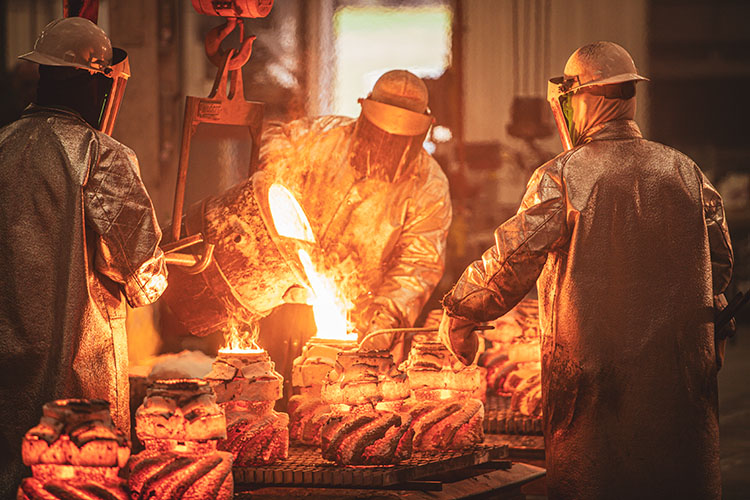
Challenges in Manufacturing Nuclear Castings
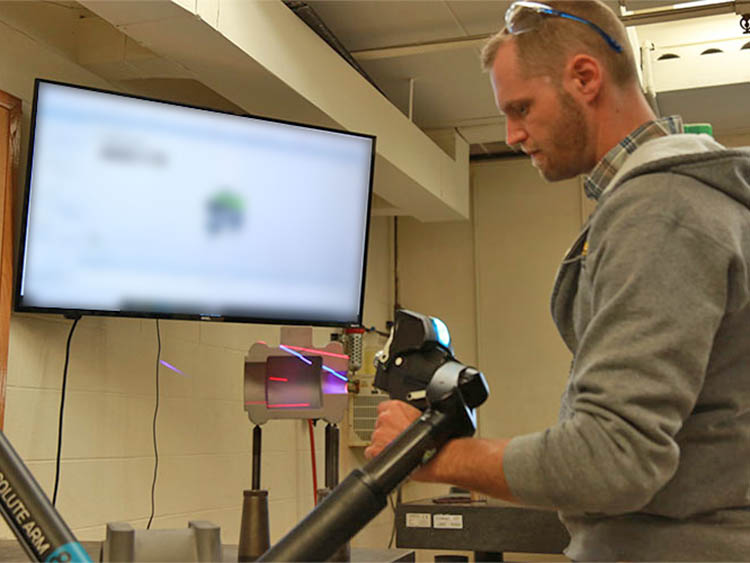
Nuclear metal castings often require extensive documentation, material traceability, nondestructive testing, and rigorous process control. These requirements can create significant barriers to entry, making supplier qualification an important consideration for reactor designers, OEMs, and equipment manufacturers.
Nuclear Quality Requirements for Metal Castings
Nuclear energy customers require more than high-quality castings. They require confidence that suppliers manufacture every component under documented quality systems with complete material traceability and rigorous process controls.
As a result, reactor manufacturers, engineering firms, and nuclear equipment suppliers may evaluate a supplier’s ability to meet project-specific requirements under the following regulations, codes, and quality-assurance standards. MetalTek supports applicable nuclear projects under its qualified programs and certifications.
10 CFR 50 Castings
OEMs searching for 10 CFR 50 castings are typically seeking suppliers capable of supporting the quality-assurance requirements of 10 CFR Part 50, Appendix B. These requirements apply to activities affecting safety-related structures, systems, and components, including applicable fabrication and manufacturing activities.
10 CFR 21 Castings
10 CFR Part 21 addresses the evaluation and reporting of defects and failures to comply that could create a substantial safety hazard. Suppliers of applicable nuclear components may be required to maintain processes to evaluate, document, and report potential defects or noncompliance.
NQA-1 Castings
NQA-1 castings are produced under quality-assurance programs designed to satisfy applicable nuclear-industry requirements. Depending on the project and customer specifications, these programs may address document control, procurement, material traceability, inspection, testing, corrective action, and control of nonconforming items.
ASME Section III Castings
ASME Section III castings support components governed by the construction rules of the ASME Boiler and Pressure Vessel Code for nuclear facilities. Applicable requirements vary by component classification and customer specification and may address materials, design, fabrication, examination, testing, documentation, and quality assurance.
What Nuclear Energy Companies Look for in Suppliers
As new reactor projects advance, manufacturers increasingly seek qualified nuclear metal casting suppliers that offer more than production capacity alone.
Key supplier attributes often include:
- Nuclear quality systems
- Material traceability
- Robust documentation practices
- Engineering support
- Design-for-manufacturing expertise
- High-temperature alloy capabilities
- Corrosion-resistant alloy experience
- Scalable production capabilities
- Financial stability and long-term viability
MetalTek’s centrifugal, investment, and sand casting capabilities allow nuclear customers to choose the manufacturing process best suited to a component’s size, geometry, alloy, performance requirements, and production volume.
Building the Nuclear Supply Chain of the Future
The next generation of nuclear energy will depend on more than innovative reactor designs. It will also require a manufacturing supply chain that can meet demanding material, quality, traceability, documentation, and compliance requirements.
MetalTek combines centrifugal, sand, and investment casting capabilities with extensive alloy, engineering, and testing expertise to support complex components for conventional and advanced nuclear applications.
About the Author

Dan Hermanson is MetalTek International’s Energy Market Development Manager. Developing a component for a conventional reactor, SMR, or microreactor? Contact Dan to discuss your material, manufacturing, quality, and documentation requirements.
Have questions?
Download Our Alloy Guide
Download Our Where Used Guide
Related Blogs
How Laser Powder Bed Fusion (LPBF) Works for Metal Additive Manufacturing
What Is HY-80 Steel? A Comprehensive Guide