Overview
C94300 is a high-lead alloy prized for its exceptional performance in demanding applications. Its significant lead content contributes to outstanding score resistance, allowing it to withstand sliding or abrasive contact without suffering significant damage. This alloy also exhibits structural uniformity, ensuring consistent properties throughout the material and promoting predictable behavior. Furthermore, C94300 demonstrates good shear properties and compressive strength, enabling it to resist forces applied parallel to its surface and withstand compression. This combination of characteristics, along with its cost-effectiveness, makes C94300 a popular choice for applications where durability, reliability, and budget are key considerations.
Typical Uses
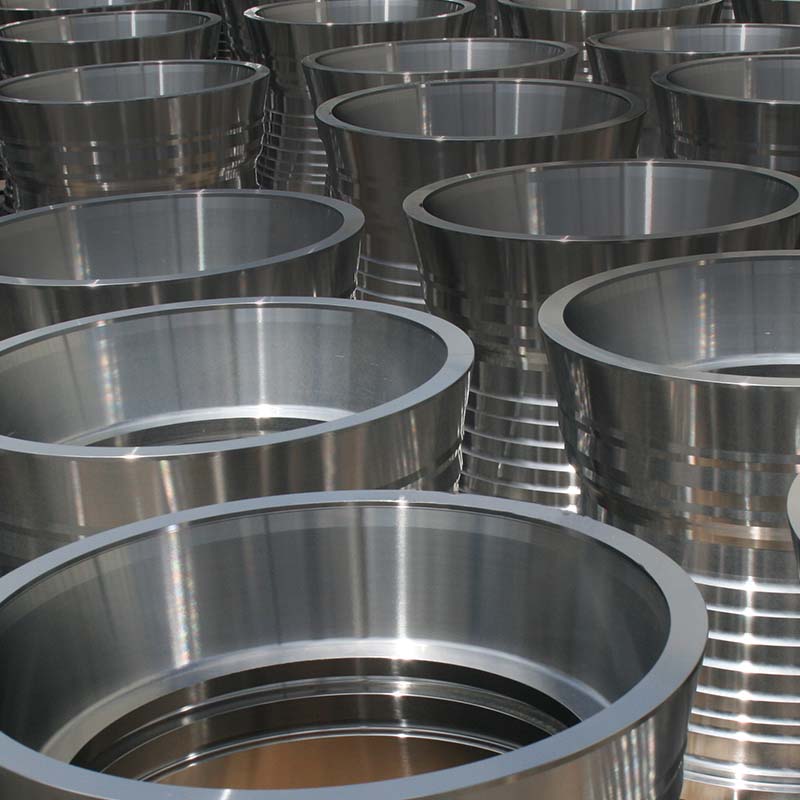
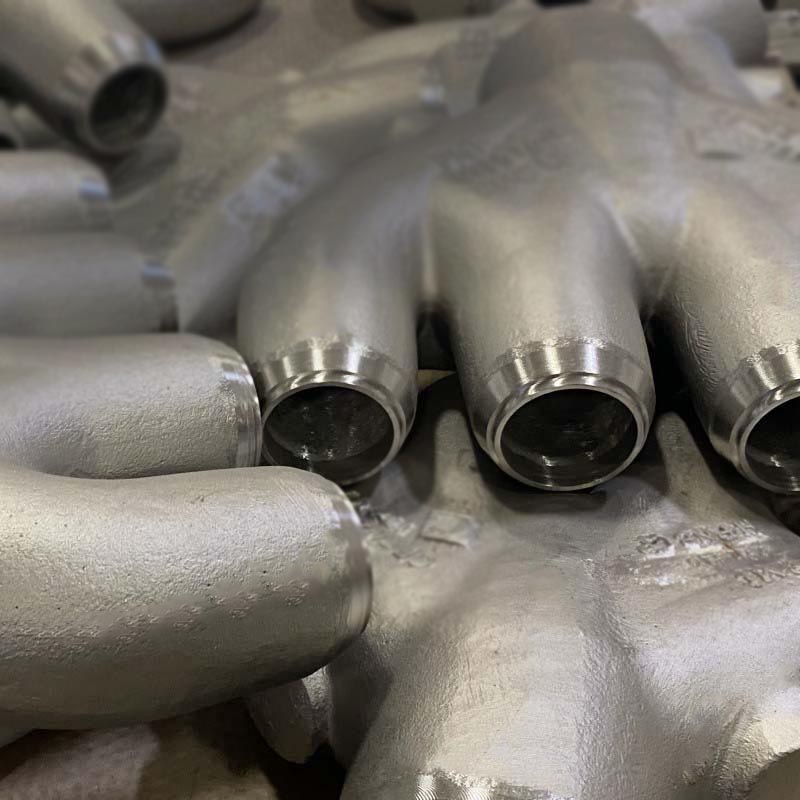
Bearings, bushings, centrifuge bushings, gears, hydraulic parts, impellers, liners, piston rings, pump and valve components, sleeves, steam fittings.
MetalTek Designation
MTEK 943
Poured At:
Wisconsin Centrifugal Division
Similar Specifications
Cast UNS: C94300
Cast Grade: C94300
Cast ASTM: B271, B505, B584
Typical Chemical Composition (% by wt.)
Aluminum: 0.005
Carbon: n/a
Chromium: n/a
Manganese: n/a
Iron: 0.15
Copper: 69.5
Nickel: 1
Lead: 25
Tin: 5.3
Silicon: 0.005
Zinc: 0.8
Other: P 0.08; S 0.08; Sb 0.8
Minimum Mechanical Properties
Frequently Asked Questions
Bearing bronze is an alloy designed for low-friction, high-wear-resistance applications in machinery bearings and bushings.
Used in sleeve bearings, pump bushings, and machinery where lubrication and wear resistance are essential.
It offers low friction, good load capacity, machinability, and resistance to seizure and galling in lubricated conditions.
Bearing bronze exhibits excellent conformability, embeddability, and resistance to wear and fatigue, making it ideal for sliding contact applications.