Overview
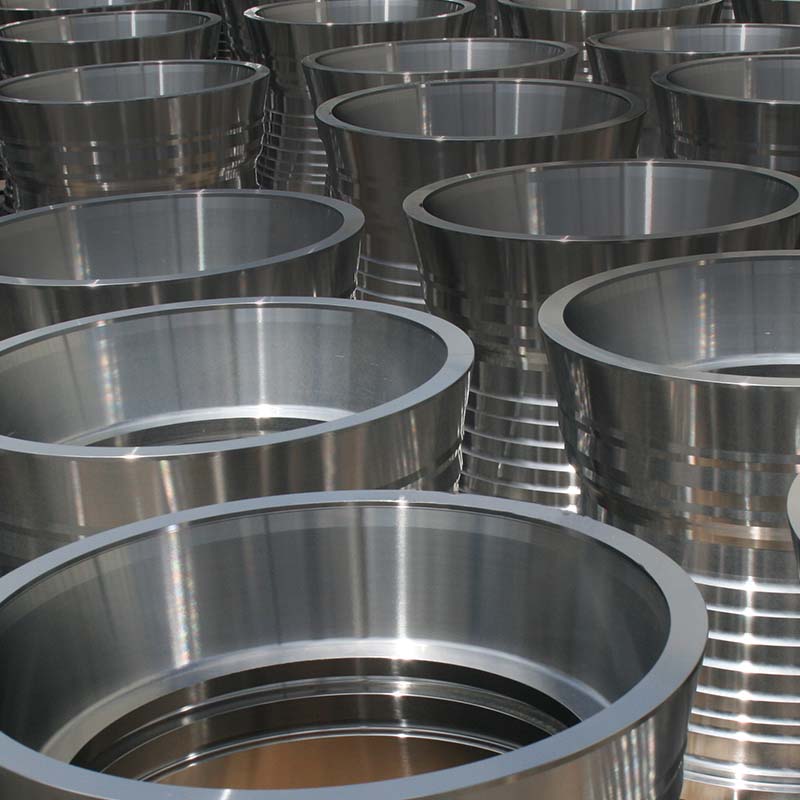
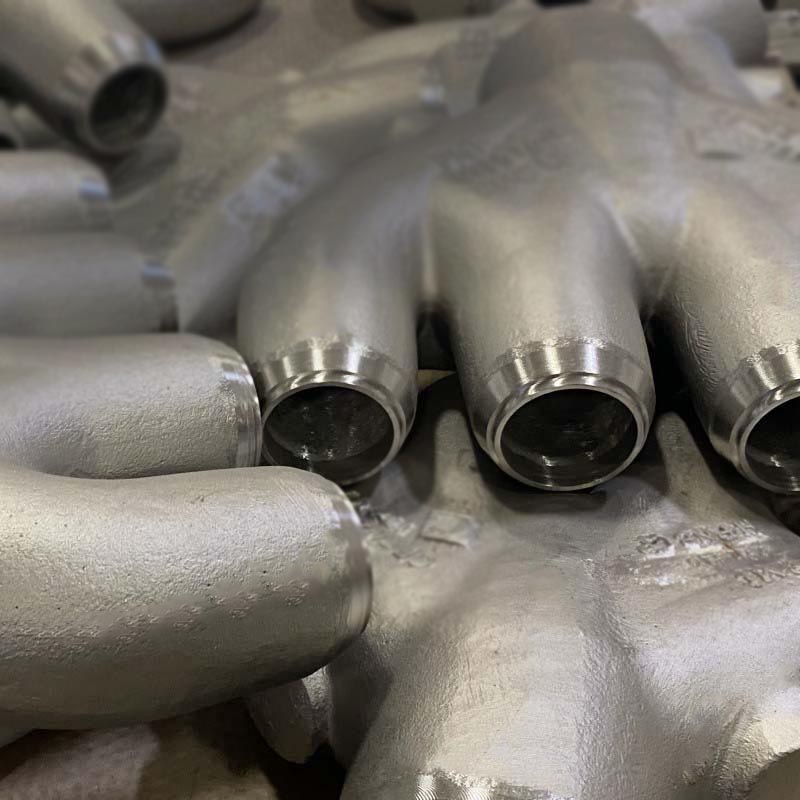
HPNb is a high-temperature stainless steel alloy that incorporates niobium to enhance its performance in demanding environments. The addition of niobium significantly improves its stress rupture strength, enabling it to withstand high stresses at elevated temperatures without deforming or fracturing. Furthermore, niobium enhances its carburization resistance, protecting it from the absorption of carbon and subsequent embrittlement in carbon-rich atmospheres. While the niobium addition slightly reduces ductility, HPNb still maintains good tensile strength and overall mechanical properties. With a service limit of 2010 degrees Fahrenheit (1100 degrees Celsius), HPNb offers reliable performance in high-temperature applications where strength, creep resistance, and carburization resistance are critical.
Typical Uses
Petrochemical furnaces, equally well suited for reformer and ethylene furnace applications.
MetalTek Designation
MTEK 25-35Nb
Poured At:
Carondelet Division, Sandusky International Division, Wisconsin Centrifugal Division, Wisconsin Investcast Division
Similar Specifications
Cast ASTM: A297 MOD.
Typical Chemical Composition (% by wt.)
Aluminum: n/a
Carbon: 0.35-0.55
Chromium: 23-27
Manganese: 1.50
Iron: BAL
Copper: n/a
Nickel: 32-37
Lead: n/a
Tin: n/a
Silicon: 2.00
Zinc: n/a
Other: Mo 0.50; Nb 0.60-1.00
Minimum Mechanical Properties
Heat Treatment: Not Heat Treated
Frequently Asked Questions
Heat resistant stainless steel refers to alloys designed to maintain mechanical properties and resist oxidation at elevated temperatures.
Applications include furnace parts, heat exchangers, and components in petrochemical plants.
Heat resistant stainless steels can withstand temperatures up to 1,150°C (2,100°F), depending on the grade and exposure time.
High chromium and nickel contents stabilize the austenitic structure and form a protective oxide layer, resisting scale and oxidation.