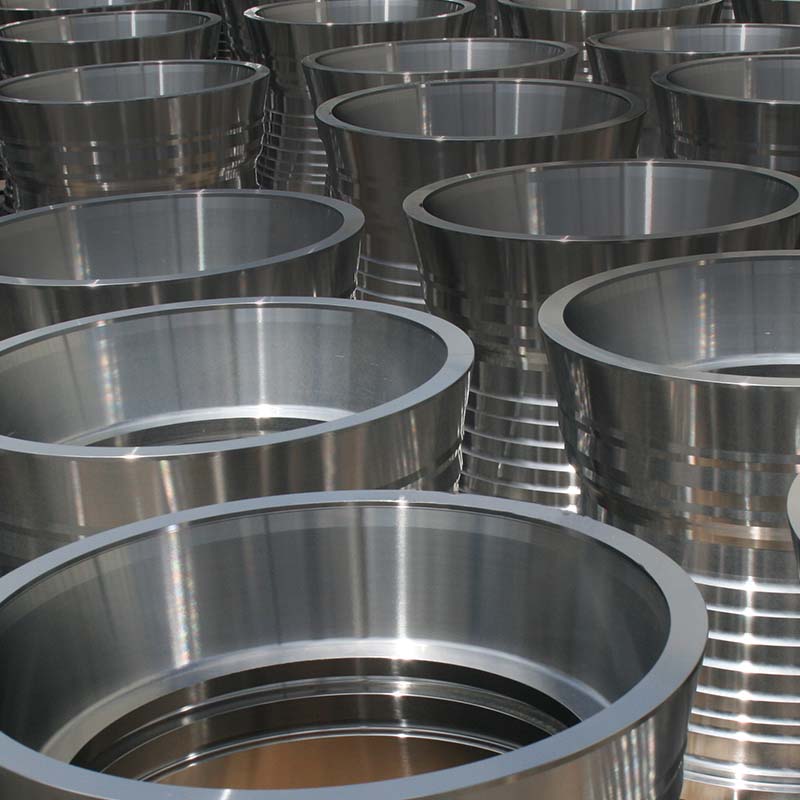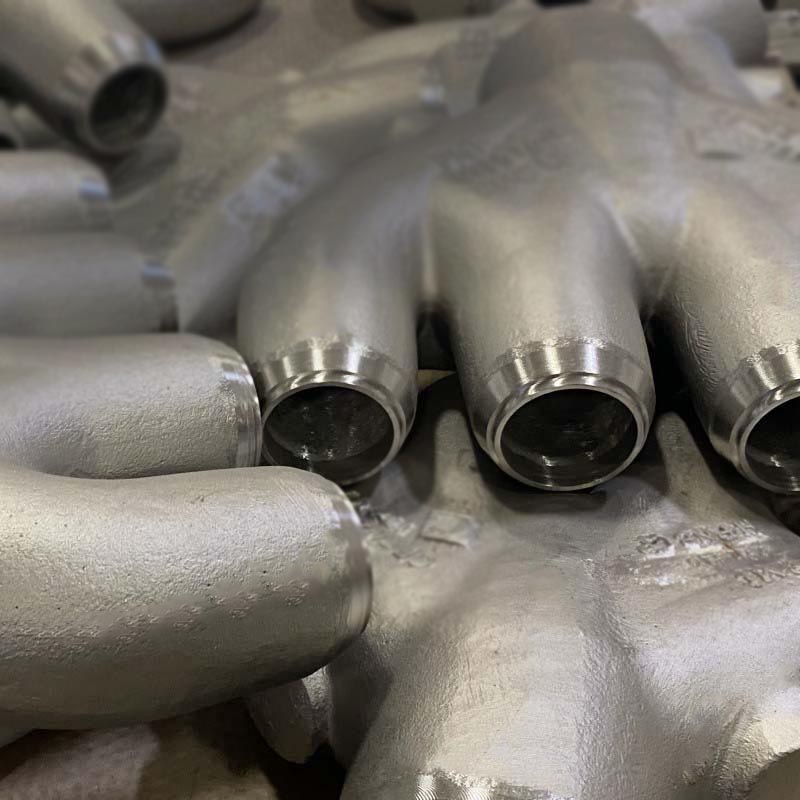
Overview
N26625, also known as N06625 in its wrought form, is a nickel-based austenitic alloy renowned for its exceptional corrosion resistance and fatigue strength, especially in demanding marine environments. This alloy exhibits high resistance to various forms of corrosion, including seawater, making it suitable for challenging offshore and coastal applications. It also demonstrates excellent fatigue strength, ensuring reliable performance under cyclic loading conditions. Furthermore, it maintains its strength at sub-freezing temperatures and offers good high-temperature resistance, making it versatile for a wide range of operating conditions. Its ease of welding and processing further enhances its suitability for complex fabrication and integration into various systems.
Typical Uses
Chemical and food processing equipment, nuclear, heat exchangers, combustor/exhaust, shaft sleeves.
MetalTek Designation
MTEK 625V
Poured At:
Wisconsin Investcast Division
Similar Specifications
Cast UNS: N26625
Wrought UNS: N06625
Wrought Grade: IN625
Cast Grade: CW-6MC
Cast ASTM: A494
Military/AMS: AMS 5401
* AMS specifying investment casting.
Typical Chemical Composition (% by wt.)
Aluminum: n/a
Carbon: 0.10
Chromium: 20-23
Manganese: 1.00
Iron: 5.0 MAX
Copper: n/a
Nickel: BAL
Lead: n/a
Tin: n/a
Silicon: 1.00
Zinc: n/a
Other: Mo 8-10; Nb 3.15-4.15
Minimum Mechanical Properties
Heat Treatment: Solution Annealed
Frequently Asked Questions
Vacuum cast alloys are metals melted and poured in a vacuum environment to reduce contamination from gases and ensure high purity and precision.
Used in aerospace, medical implants, nuclear components, and high-performance turbine parts requiring precise composition and minimal inclusions.
Vacuum casting reduces gas porosity, prevents contamination, and enhances alloy quality, especially for reactive or high-performance metals.