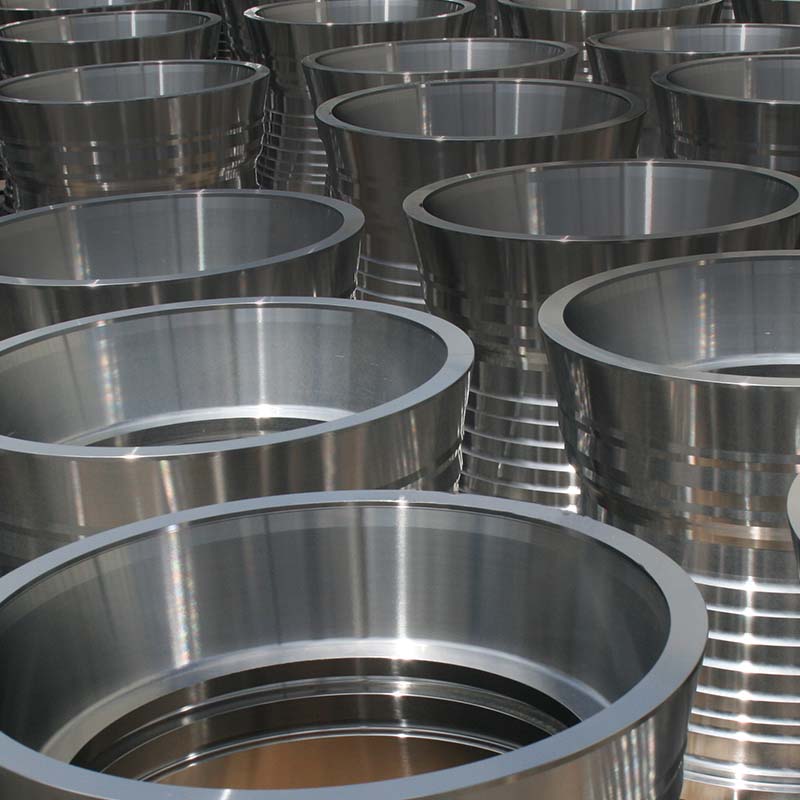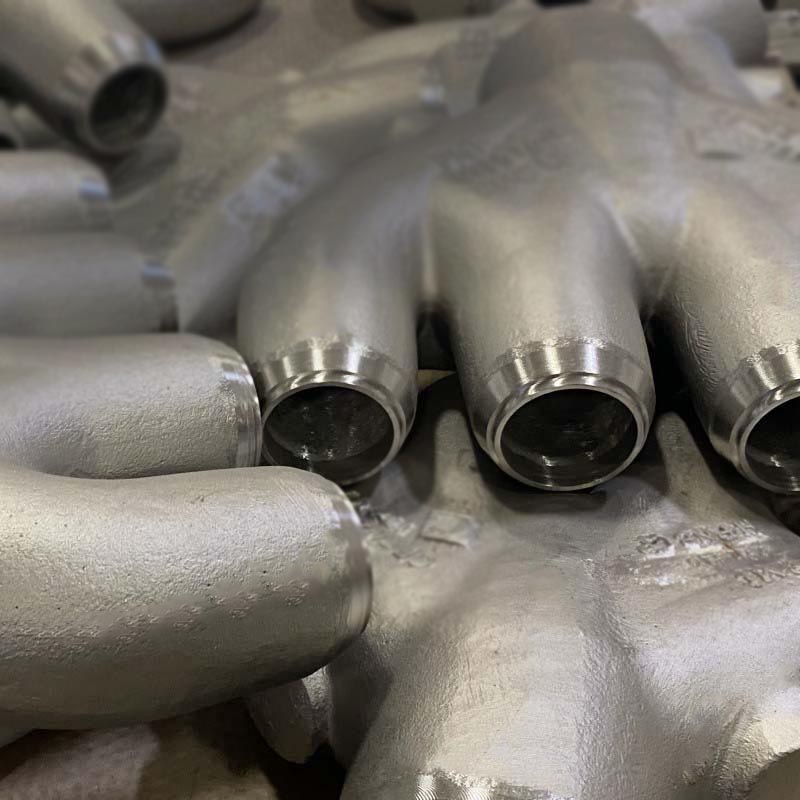
Overview
CF10SMnN is a stainless-steel alloy engineered for a combination of strength, wear resistance, and oxidation resistance. Its low carbon and silicon content, coupled with a chromium content of 16-18%, contribute to its good corrosion and oxidation resistance. The addition of nickel further enhances its strength and hardenability, allowing for customization of its mechanical properties through heat treatment. CF10SMnN exhibits good wear and galling resistance, making it suitable for applications involving friction and sliding contact. This combination of properties makes CF10SMnN a valuable choice for applications requiring a balance of strength, wear resistance, and resistance to oxidation in demanding environments.
Typical Uses
Bearings, bridge components, impellers, pump and valve components, shaft sleeves.
MetalTek Designation
MTEK 60
Poured At:
Carondelet Division, Wisconsin Centrifugal Division, Wisconsin Investcast Division
* NITRONIC® is a registered trademark of Cleveland-Cliffs Steel Corporation.
Similar Specifications
Cast UNS: J92972
Wrought UNS: S21800
Wrought Grade: NITRONIC® 60
Cast Grade: CF10SMnN
Cast ASTM: A351, A743
Typical Chemical Composition (% by wt.)
Aluminum: n/a
Carbon: 0.10
Chromium: 16-18
Manganese: 7-9
Iron: n/a
Copper: n/a
Nickel: 8-9
Lead: n/a
Tin: n/a
Silicon: 3.5-4.5
Zinc: n/a
Other: N 0.08-0.18
Minimum Mechanical Properties
Heat Treatment: Solution Annealed
Frequently Asked Questions
Austenitic steel is a non-magnetic stainless steel alloy with high chromium and nickel content. It provides excellent corrosion resistance, formability, and weldability, making it ideal for industrial and food-grade applications.
Common applications include food processing equipment, pump and valve components, chemical processing equipment, and heat exchangers due to its excellent corrosion resistance.
Super austenitic steels contain higher levels of molybdenum, nickel, and nitrogen than standard austenitic steels, enhancing their resistance to pitting, crevice corrosion, and stress corrosion cracking in harsh environments.
Benefits include superior corrosion resistance, high ductility, excellent weldability, and good performance at both cryogenic and elevated temperatures.
Austenitic stainless steel is corrosion-resistant and non-magnetic, while martensitic stainless steel is magnetic, harder, and better suited for wear-resistant and high-strength applications.
In its annealed state, austenitic stainless steel is non-magnetic. However, it may exhibit slight magnetism after cold working due to partial transformation into martensite.
Common austenitic grades include 304, 309, 310 and 316 stainless steels. These are widely used across industries for their excellent corrosion resistance and mechanical properties.
Austenitic steel offers better corrosion resistance and ductility than ferritic steel, which is magnetic, has lower chromium content, and is more cost-effective but less weldable.