Blog Metal Castings In LNG Plants: Where And Why They Make Sense
Liquefied natural gas (LNG) equipment such as compressors, heat exchangers, pumps, valves, and piping systems are well known. What is less well known is the role that metal castings play in making those systems work.
Metal castings are found throughout LNG facilities, from cryogenic pumps and severe-service valves to compressor components and specialty piping.
Understanding where metal castings make sense, and which casting process is best suited for the application, can improve performance, reduce cost, and simplify manufacturing.
Where Castings Make Sense In LNG Plants
Failures in LNG facilities can result in lost production, environmental concerns, and significant safety risks. As a result, component reliability is critical. This is one reason why metal castings continue to play an important role throughout LNG infrastructure.
Several categories of LNG equipment are excellent candidates for metal castings.
Cryogenic Pump Components
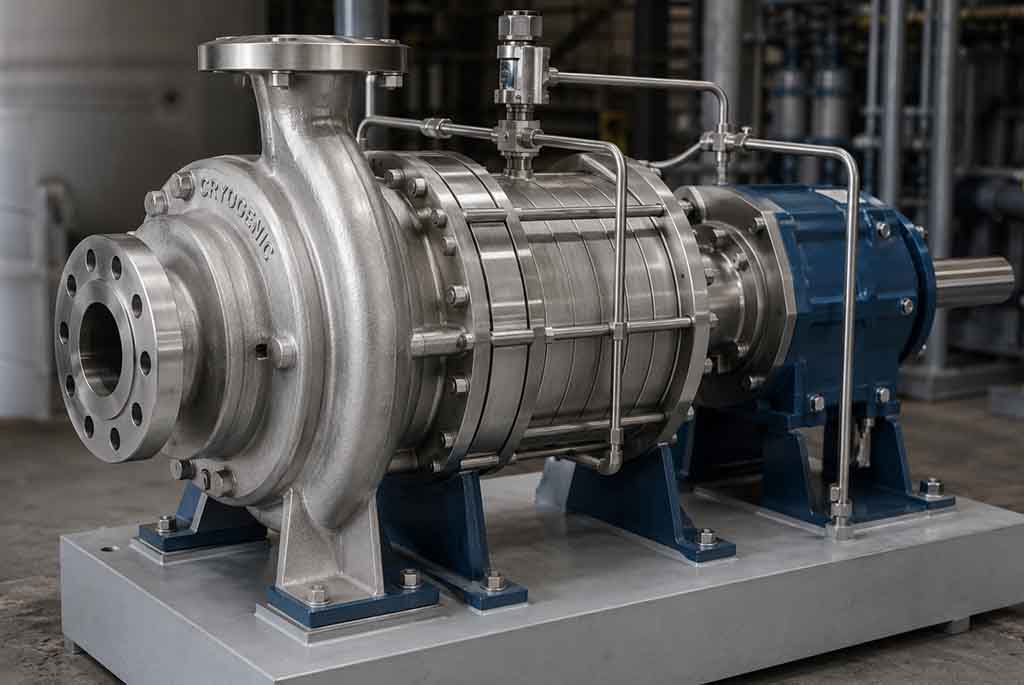
Cryogenic pumps are among the most critical pieces of equipment in an LNG facility. These pumps transfer LNG from storage tanks, move refrigerants through process systems, and support loading operations.
Because these components operate continuously at cryogenic temperatures, material integrity is critical. Castings allow engineers to create complex internal flow passages that would be difficult and expensive to machine from solid material.
Common cast components include:
- Pump casings
- Impellers
- Wear rings
- Diffusers
- Bearing housings
Valve Components
Valves are found throughout the LNG process. In severe-service and cryogenic applications, castings provide an efficient method for producing complex pressure-containing geometries while maintaining required material properties.
Common cast valve components include:
- Valve bodies
- Bonnets
- Seats
- Guides
- Valve trim components
Compressor Components
Large refrigeration compressors are often described as the heart of an LNG facility. These components benefit from the material integrity and dimensional procession that centrifugal casting can provide.
While many major rotating elements are forged, centrifugal castings are frequently used for:
- Seal rings
- Wear rings
- Bushings
- Sleeves
- Bearing-related components
Specialty Piping Components
Many LNG facilities utilize specialty alloy piping systems that require corrosion resistance, pressure containment, and custom geometries. Depending on geometry and production volume, castings can offer significant advantages over fabricated alternatives.
Applications may include:
- Custom fittings
- Branch connections
- Specialty flanges
- Transition pieces
Choosing the Right Casting Process
Once a component has been identified as a good candidate for casting, the next question becomes which casting process is best. The answer depends on geometry, alloy requirements, performance expectations, and production volume.
Metal casting methods commonly used for LNG applications include:
- Centrifugal casting
- Investment casting
- Sand casting
Centrifugal Casting: Ideal for Cylindrical LNG Components
Centrifugal casting is often the first process engineers consider when manufacturing cylindrical components. In this process, molten metal is poured into a rotating die. Centrifugal force distributes the metal evenly around the outer diameter (O.D.), creating a dense, highly uniform structure.
Advantages
For LNG applications, centrifugal casting offers:
- Excellent soundness
- Low porosity
- High pressure integrity
- Superior concentricity
- Outstanding wear resistance
- Efficient production of tubular shapes
Typical LNG Applications
Examples of LNG components ideal for centrifugal casting include:
- Pump sleeves
- Wear rings
- Seal rings
- Bushings
- Bearing sleeves
- Specialty pipe sections
- Cylindrical valve components
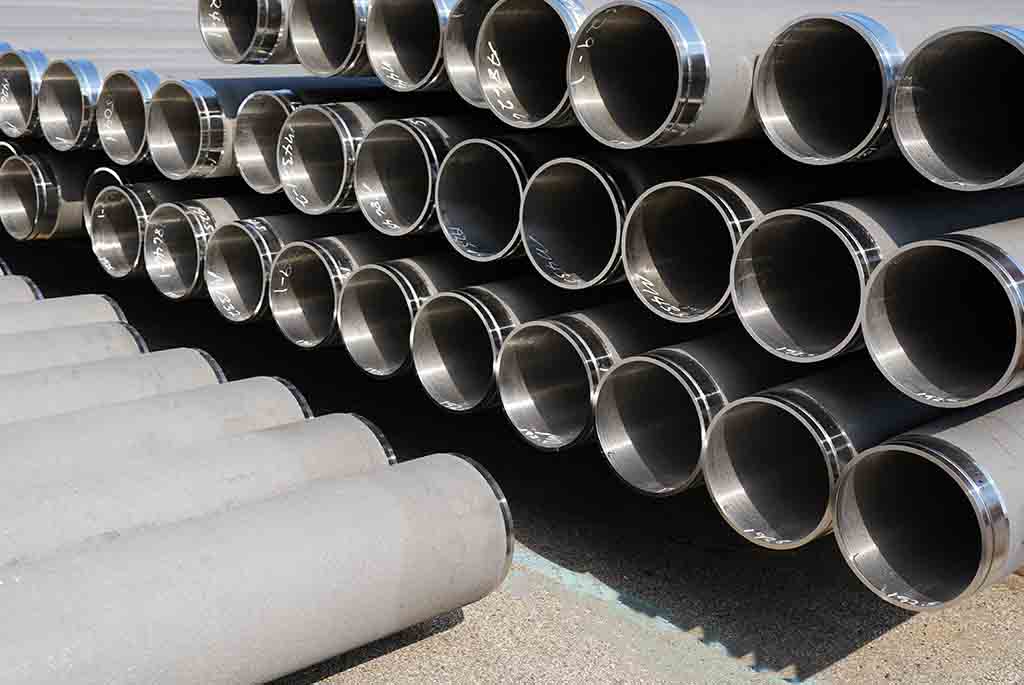
Because LNG systems often require premium stainless steels, duplex alloys, and nickel-based materials, centrifugal casting can provide significant performance advantages over fabricated alternatives.
This is especially true in rotating equipment where dimensional stability and material consistency directly impact reliability.
Investment Casting: Complex Shapes with Tight Tolerances
Sometimes referred to as the “lost wax” process, investment casting excels at producing intricate shapes that would be difficult or costly to machine.
Investment casting is often selected when a component requires:
- Complex geometry
- Tight tolerances
- Excellent surface finish
- Reduced machining
Advantages
Benefits of investment casting include:
- Near-net-shape production
- Excellent dimensional accuracy
- Reduced machining costs
- Complex internal features
- High-quality surface finish
Typical LNG Applications
Investment cast components commonly include:
- Valve bodies
- Valve bonnets
- Impellers
- Flow control components
- Instrumentation housings
- Pump components
- Cryogenic valve trim
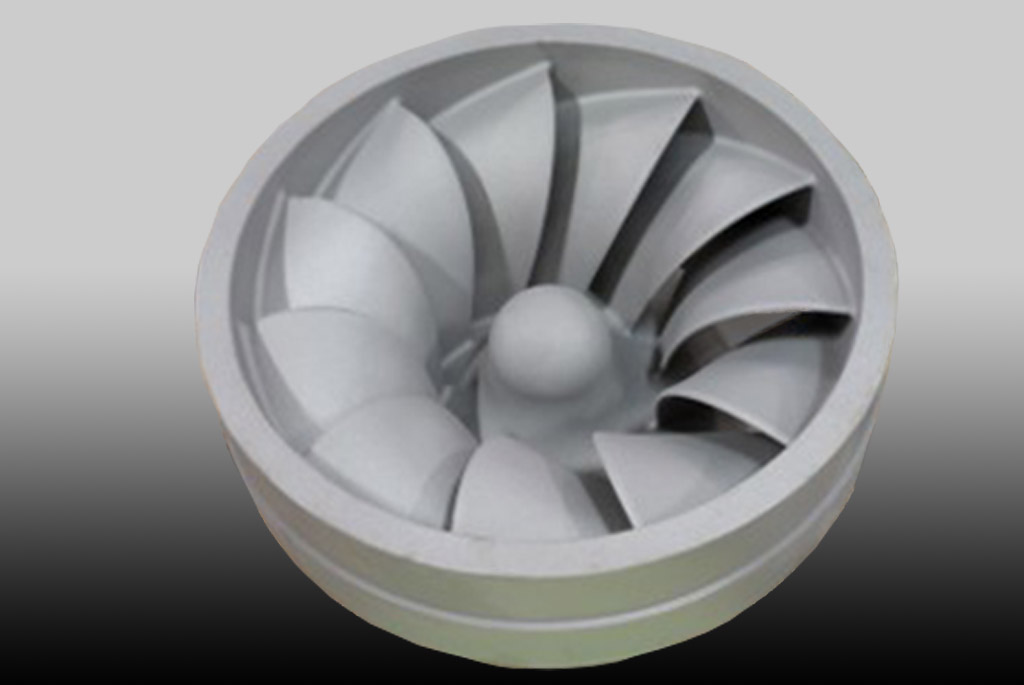
Many LNG valve manufacturers rely heavily on investment castings because the process allows them to achieve complex pressure-containing geometries while maintaining strict dimensional requirements.
For smaller and medium-sized components, investment casting often provides the most efficient manufacturing route.
Sand Casting: The Best Choice for Large, Complex Components
While investment casting receives significant attention for precision components, sand casting remains one of the most versatile manufacturing methods available.
Sand casting is particularly attractive when parts become larger, heavier, or more complex.
Advantages
Benefits of sand casting include:
- Large size capability
- Wide alloy selection
- Lower tooling investment
- Design flexibility
- Cost effectiveness for low-volume production
Typical LNG Applications
Sand cast components for LNG applications can include:
- Large pump casings
- Valve bodies
- Compressor housings
- Structural equipment housings
- Specialty process equipment
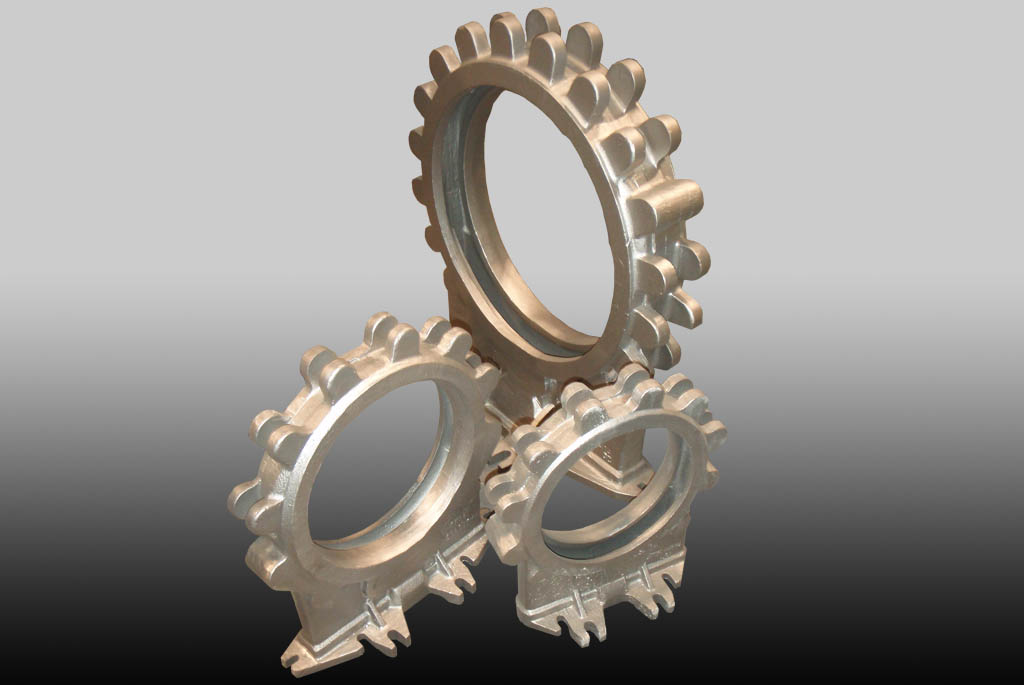
Many LNG projects involve relatively low production quantities combined with large component sizes. In these situations, sand casting often provides the most economical solution.
For large stainless steel or nickel-alloy components, sand castings frequently outperform fabrications from a total cost perspective.
Alloy Selection Matters as Much as Process Selection
Regardless of casting method, material selection is critical. Examples include various nickel-chromium-molybdenum alloys used in demanding process environments. The proper combination of alloy and casting process is often the difference between decades of reliable service and premature failure.
To learn more about MetalTek’s alloys, download our alloy guide now.
Common LNG casting alloys include:
Austenitic Stainless Steels
- Excellent cryogenic toughness
- Corrosion resistance
- Good weldability
Duplex and Super Duplex Stainless Steels
- High strength
- Improved chloride resistance
- Excellent corrosion performance
Nickel-Based Alloys
- Severe corrosion resistance
- Elevated temperature performance
- Extreme reliability
Designing Components Around the Manufacturing Process
One of the most overlooked opportunities in LNG equipment design is selecting the manufacturing process early in development.
Too often, engineers design components as fabricated assemblies and only later discover that a casting could:
- Reduce part count
- Eliminate welds
- Improve flow characteristics
- Lower machining costs
- Improve reliability
Conversely, some components are unnecessarily designed as castings when fabrication or forging would be more practical.
The Future of Castings in LNG
The LNG industry continues to expand globally, driven by increasing demand for reliable energy infrastructure. As reliability requirements increase and materials continue to evolve, metal castings will remain a critical part of LNG plant construction and operation.
New facilities in North America, the Middle East, and other regions will require:
- High-performance pumps
- Severe-service valves
- Refrigeration compressors
- Specialty process equipment
Final Thoughts
There is no single manufacturing process that is right for every LNG component.
Large tanks, pipe racks, and structural supports are often best produced through fabrication and welding. However, when complex geometries, premium alloys, pressure containment, and long-term reliability are required, metal castings frequently become the superior solution.
Centrifugal casting excels for cylindrical components such as wear rings, sleeves, and specialty piping sections. Investment casting provides precision for complex valve and pump components. Sand casting offers flexibility and cost advantages for larger housings and pressure-containing parts.
Understanding the application, performance requirements, and operating environment will allow you to choose the appropriate metal casting process.
When the right process is matched to the right component, castings help LNG facilities achieve what matters most: safety, reliability, and decades of uninterrupted operation. Contact MetalTek today to discuss your LNG project.
Have questions?
Download Our Alloy Guide
Download Our Where Used Guide
Blog Tags
Related Blogs
Nuclear Metal Castings for Small Modular Reactors and Microreactors
MetalTek Names David Bacon CEO