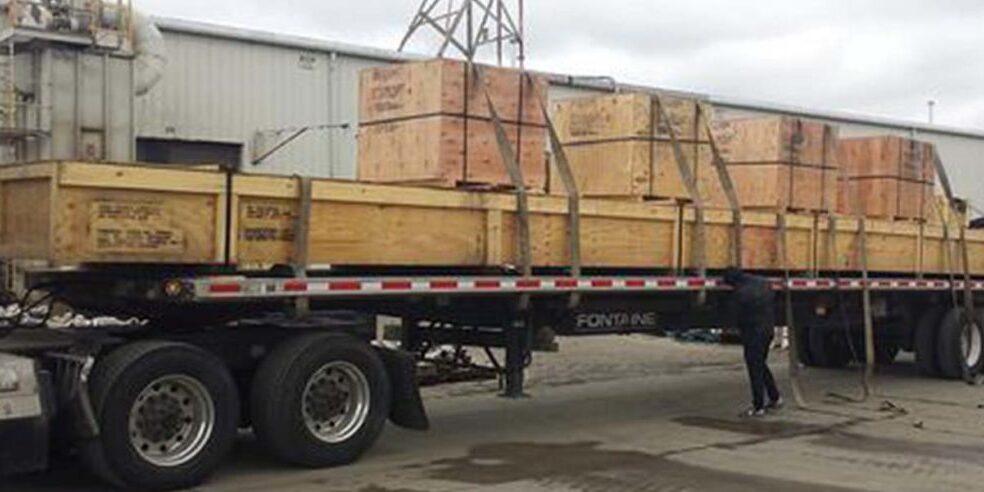
Sand Casting
Need help with a new project?
Let's push the limits of what is possible, together. Ask your metal experts.
What is Sand Casting?
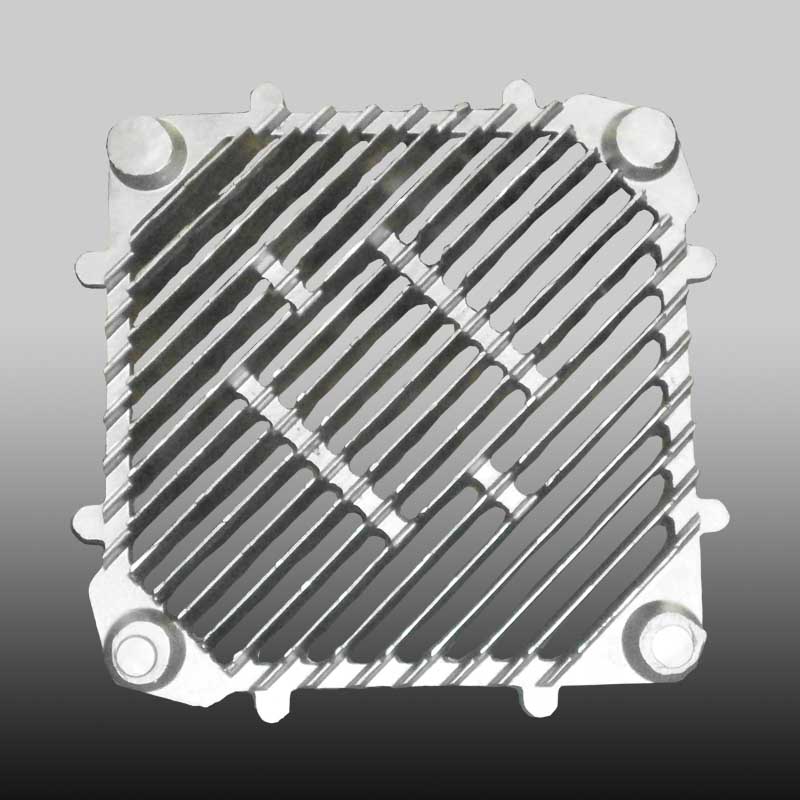
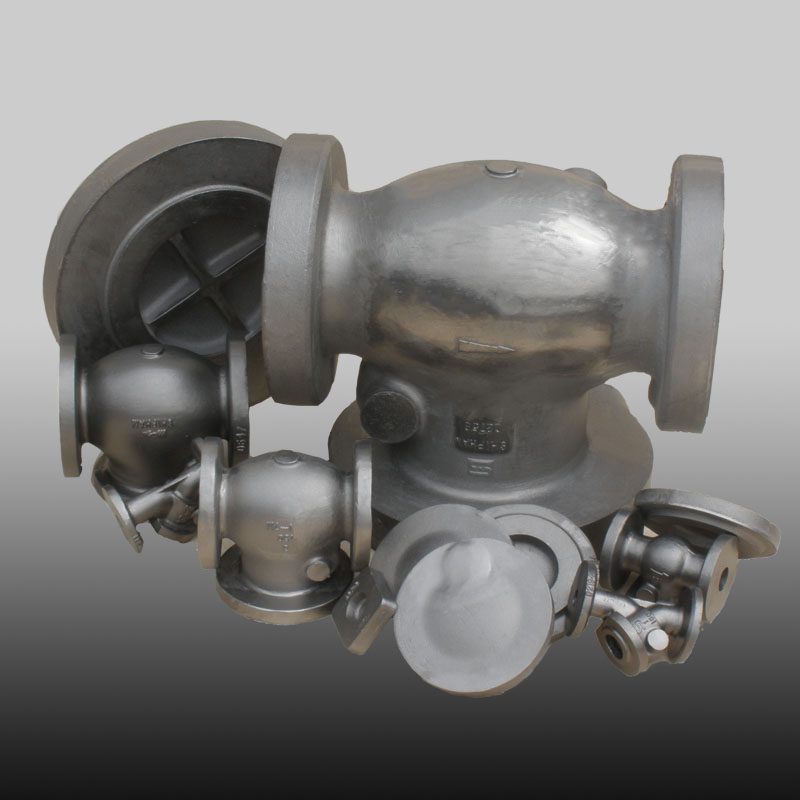
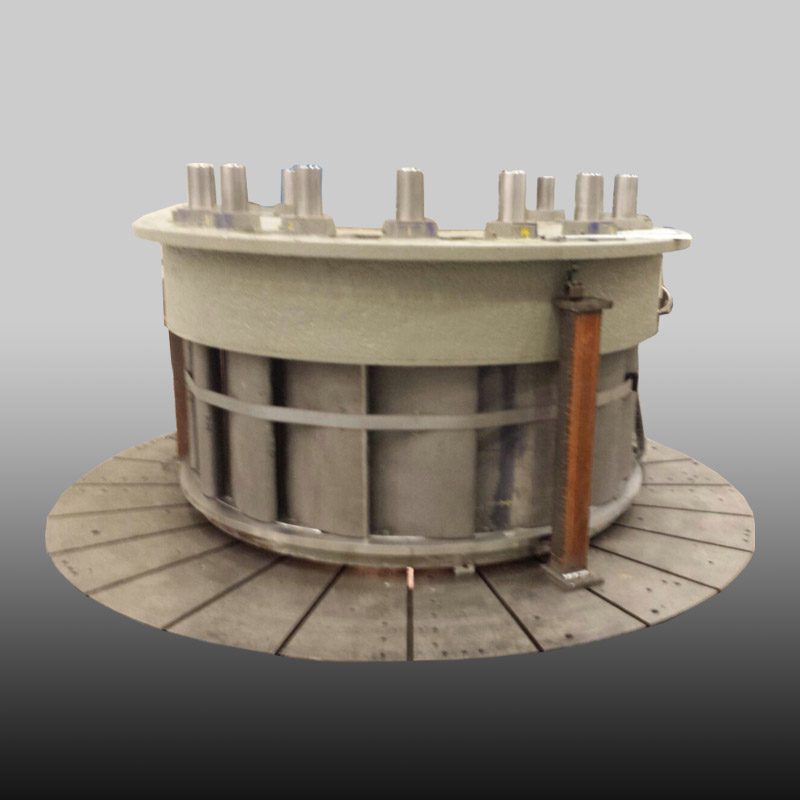
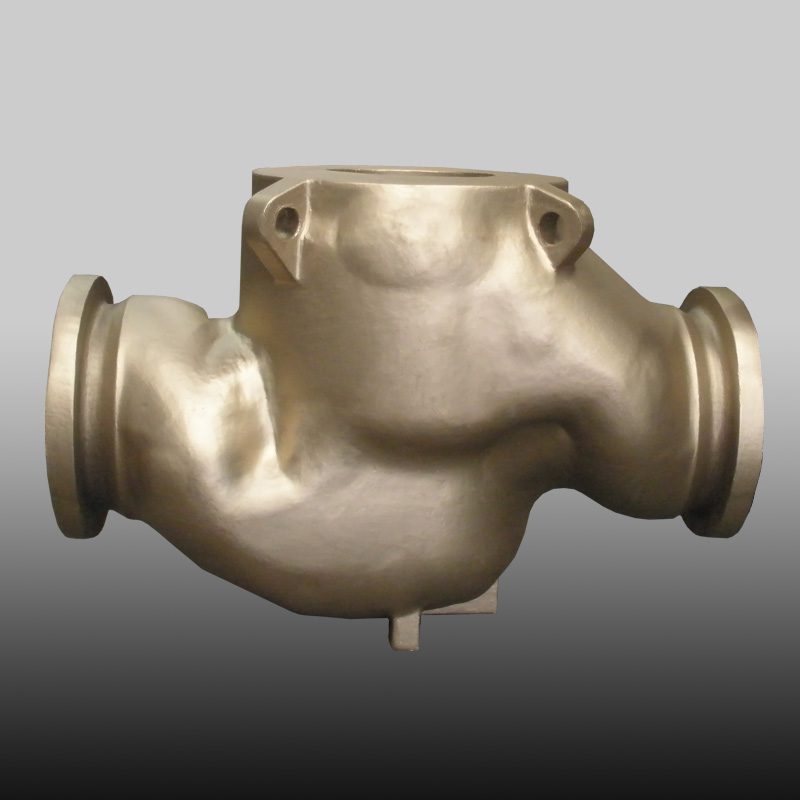
Sand casting (also called sand mold casting) has been used for thousands of years. It is a cost-effective and versatile method for producing metal components ranging from ounces to thousands of pounds. Low tooling costs make sand casting ideal for low and medium-volume production. Nearly any metal part made using other casting methods can be produced through sand casting. Cores can be used to create complex internal structures, making sand casting well suited for intricate components.
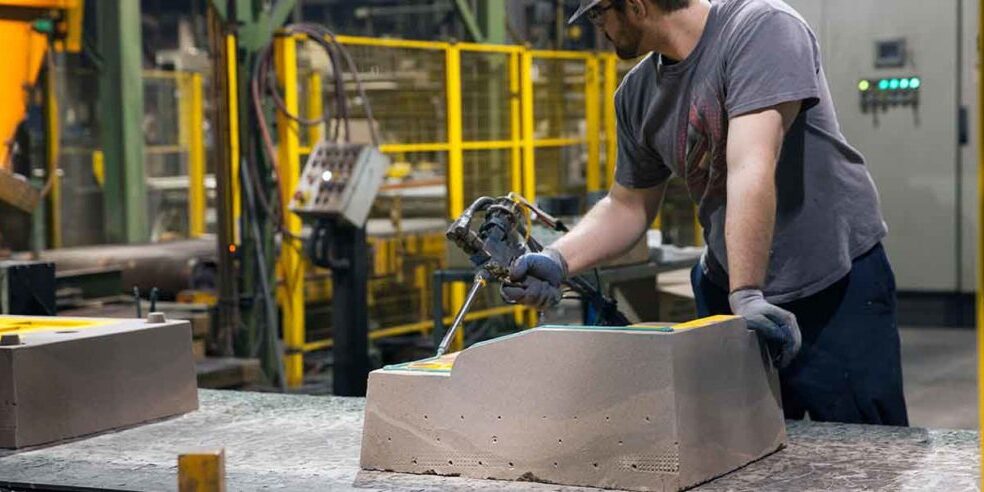
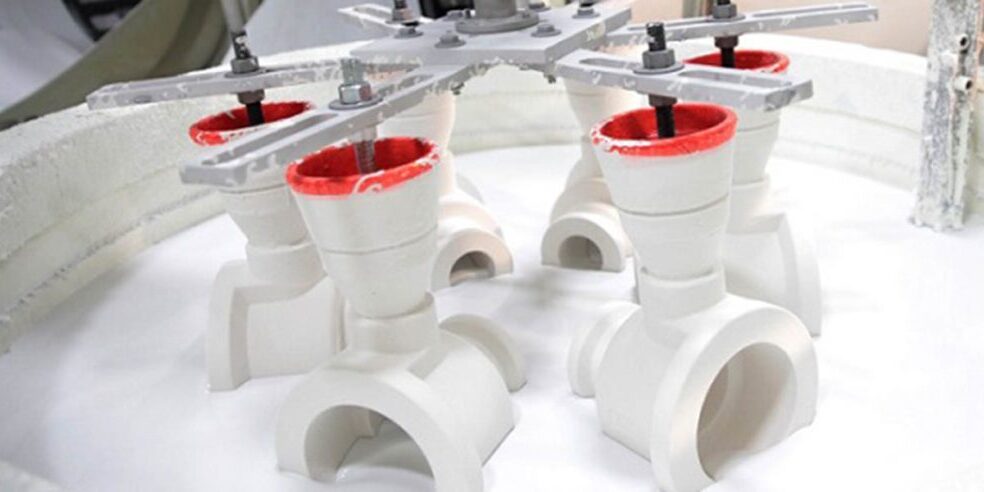
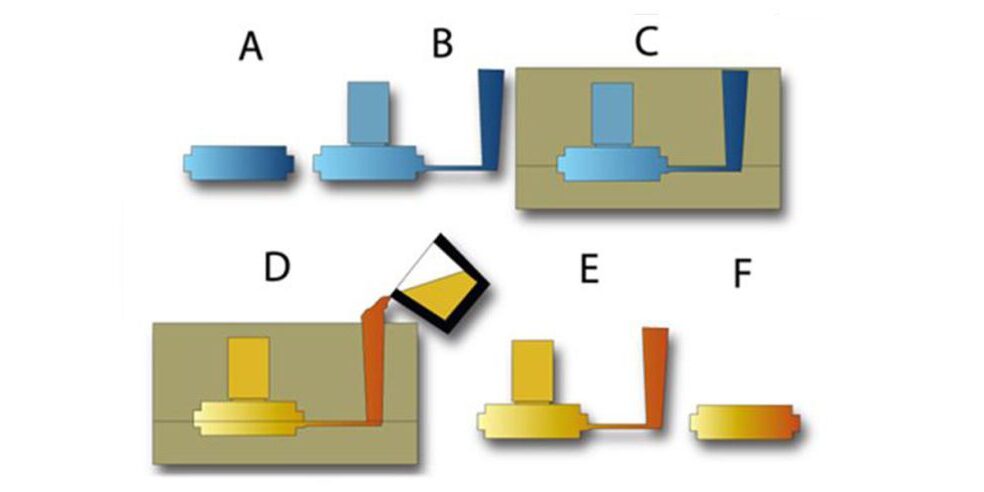
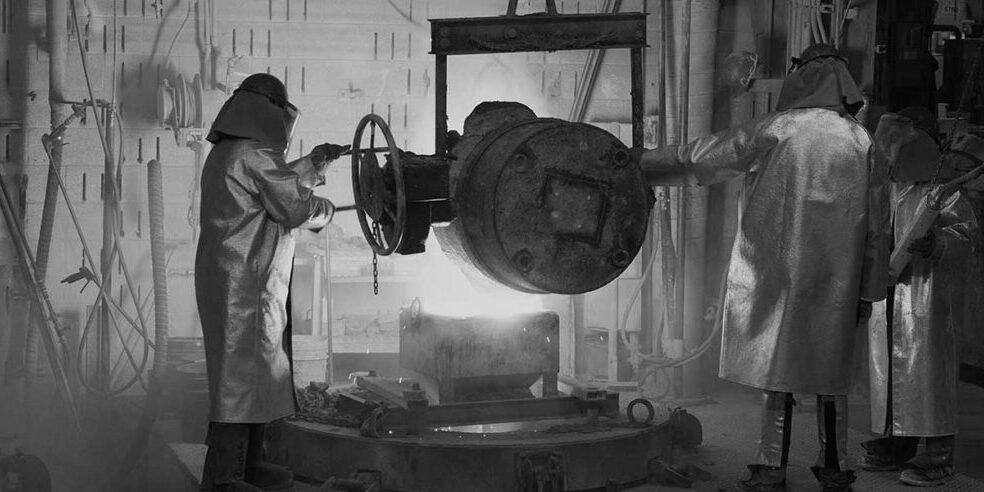
The sand casting process begins by creating a pattern of the part, including the metal delivery system (gates and risers). A sand mixture with bonding agents is packed around the pattern to form a mold. Once the pattern is removed, it leaves a cavity shaped like the part. Molten metal is then poured into the cavity and solidifies as it cools.
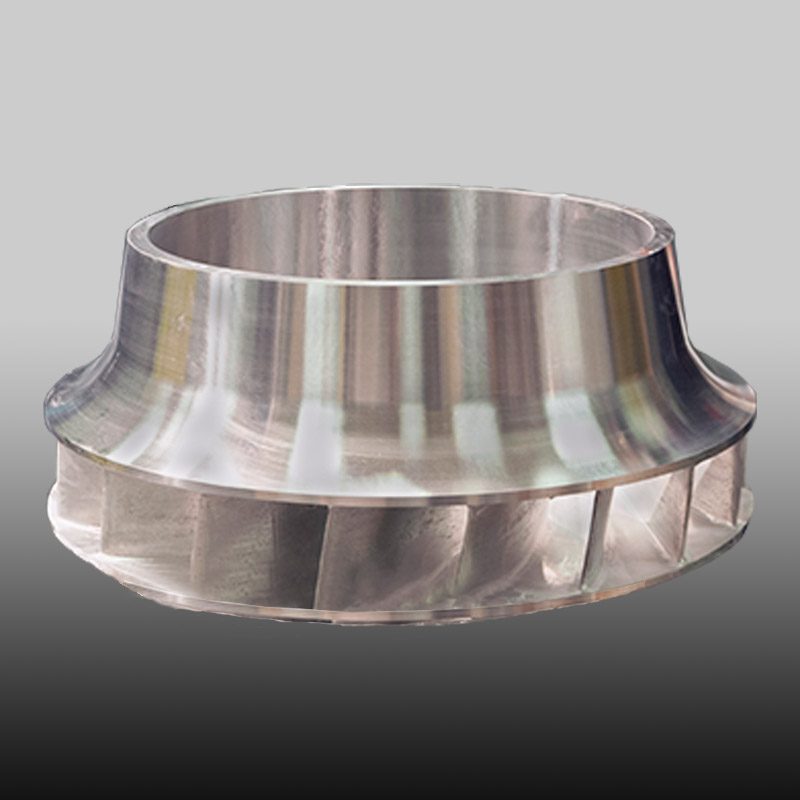
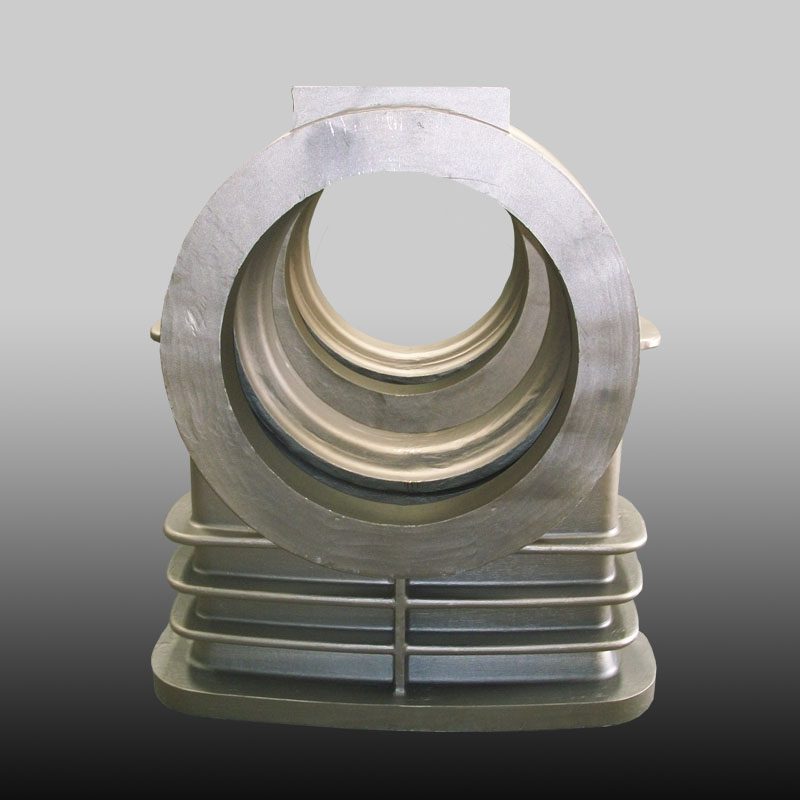
After solidification the mold is broken apart and excess material is removed, leaving the casting. Machining can be used to improve surface finish and dimensional tolerance, if required. Because of its versatility and ability to create large and complex shapes, sand casting is widely used across demanding industries such as defense, petrochemical, and mining.
Our Sand Casting Expertise
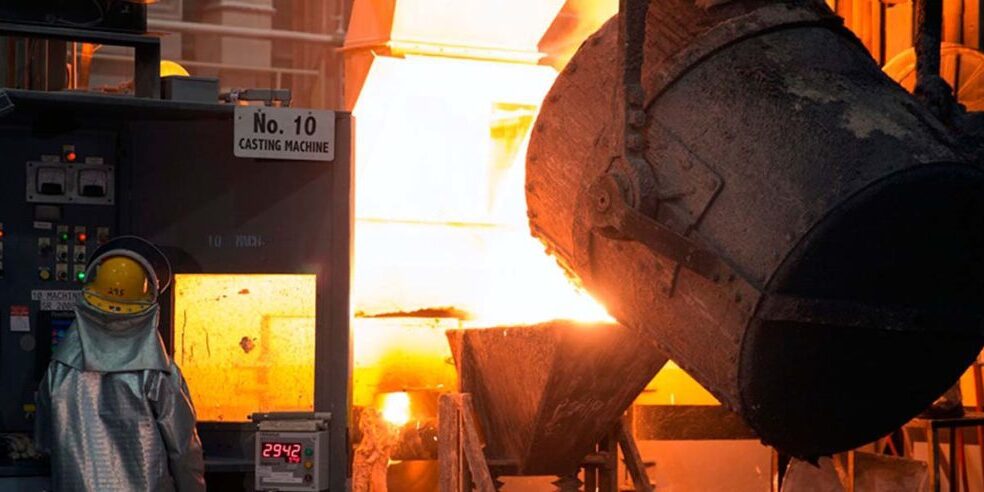
MetalTek’s Carondelet Division produces sand castings in a modern, highly-automated facility and is a preferred supplier for small to medium production runs. Carondelet features an in-house pattern shop and IMF, patternless, automated isocure, no-bake, and pit molding.
-
Pour weight up to 36,000 lbs. (16 330 kg)
-
Ship weight up to 18,000 lbs. (8165 kg)
Carondelet pours over 300 ferrous alloys, including stainless steel. We produced the 184 benches for the Pentagon Memorial and are one of the few suppliers qualified to produce HY-80 sand castings for the defense market to NAVSEA Tech Pub 300. We traditionally focus on ferrous projects, but will consider non-ferrous projects. Contact us to learn more.
Sand Casting Video
When to Use Sand casting
Sand casting is a good choice when your application requires:
-
Complex external shapes with internal structures and passageways
-
Parts ranging from under a pound to 18,000 lbs. (8,165 kg)
-
An acceptable as-cast surface finish of 250 – 500 RMS
-
Post-cast machining to achieve a smoother surface finish
-
Moderate tolerances
-
Frequent design changes without high tooling costs
-
A lower-cost alternative to investment casting
-
Reasonable tooling and pattern maintenance costs
-
Consolidating multiple components into a single casting
Frequently Asked Questions
Understanding how different alloys interact with mold types and additives enables workers to produce items with desired qualities. In modern foundry and casting operations, a thorough understanding of alloy behavior in relation to mold materials and the strategic use of additives are essential for producing components with specified properties.
Metal casting with sand molds demands both meticulous process control and a robust scientific foundation. During the cooling and solidification phases, molten metals liberate gases. Mold designs, particularly in sand casting, incorporate features that effectively manage this gas evolution, allowing for their controlled dissipation throughout the process.
During cooling and solidification, molten metal releases gases. Molds are designed to accommodate this, and if needed, they are built to allow these gases to escape throughout when casting sand for metal.
A wide variety of metals can be sand cast, including various grades of steel (like stainless steel and specialty alloys like HY-80), iron (ductile, gray, etc.), aluminum, bronze, and other non-ferrous alloys. MetalTek's Carondelet Division pours over 300 ferrous alloys.
Sand metal casting typically creates a rougher surface finish compared to other casting methods, generally in the range of 250-500 RMS. However, post-cast machining can be performed to achieve smoother finishes and tighter tolerances if required.
Dimensional tolerances in sand casting are generally wider than those achievable with processes like investment casting or die casting. However, with careful process control and the use of advanced molding techniques, reasonable tolerances can be maintained. Post-cast machining is often employed for critical dimensions.
Yes, sand casting is well-suited for producing parts with internal cavities and complex geometries through the use of cores. Cores are sand shapes placed within the mold to form these internal features.
Patternless molding is a technique where a physical pattern is not directly used to create the mold cavity. Instead, the mold is often formed using data from a CAD model, sometimes utilizing 3D-printed sand molds or other direct mold-making technologies. This is beneficial for rapid prototyping and low-volume production.
Lead times for sand castings can vary depending on the complexity of the part, the size and material, and the production volume. Generally, it can range from a few weeks to several months. Patternless molding can often reduce lead times for certain applications.
Yes, MetalTek offers a range of value-added services, including in-house machining, fabrication, heat treatment, and non-destructive testing (NDT), providing a complete solution from the raw casting to a finished component.
While sand casting is versatile for low to medium production volumes, other casting methods like die casting are typically more economical for very high-volume production due to their faster cycle times and automation capabilities.
MetalTek employs rigorous quality control measures throughout the sand casting process, including material testing, dimensional inspections, and non-destructive testing methods like magnetic particle inspection, liquid penetrant testing, ultrasonic testing, and radiographic testing, depending on the application requirements. They also hold various industry certifications to ensure adherence to quality standards.
Related Blogs
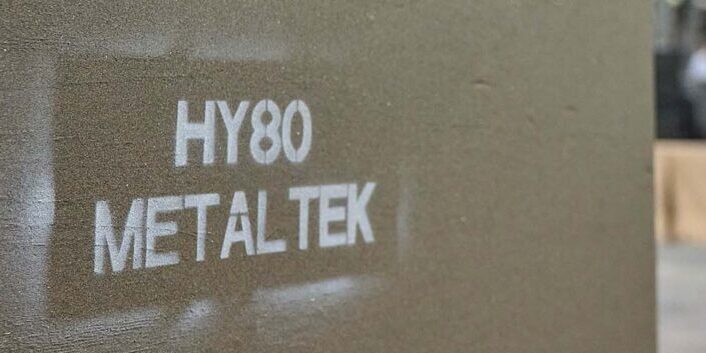
MetalTek’s Carondelet Division Certified to Produce HY-80 Steel
3 Common Types of Sand Used in Sand Casting
How To Choose a Metal Casting Supplier for the Petrochemical Industry
Comparing Costs for Investment Casting, Sand Casting, and Centrifugal Casting
Die Casting vs. Investment Casting vs. Sand Casting
Seven Examples Of Metal Castings Saving The Customer Money
What to Consider in Metal Casting Design
Considerations When Specifying and Purchasing Metal Castings
Tooling for Different Types of Casting Processes
Why MetalTek Is The Right Choice
Benefits of Using Sand or Centrifugal Castings for Tooling Dies

Tooling And Forming Dies: Tips For Selecting The Best Alloy For Your Application
3 Examples Using Metal Castings for Tooling in Aerospace Applications
Metal Casting Processes Compared: When to consider a specific process

Petrochemical Rapid Shutdowns: MetalTek’s Rapid Response Team Again Rises to the Challenge
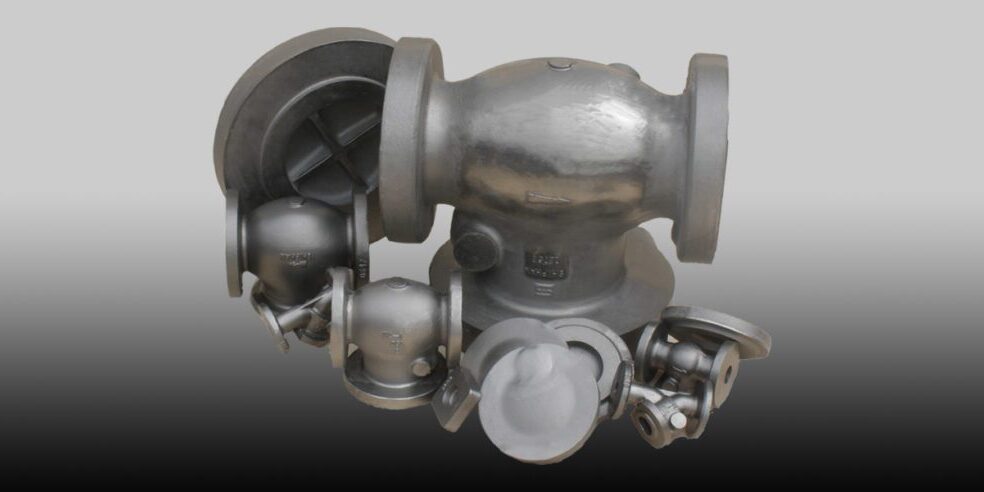
Sand Casting Process: Featured Solution Examples
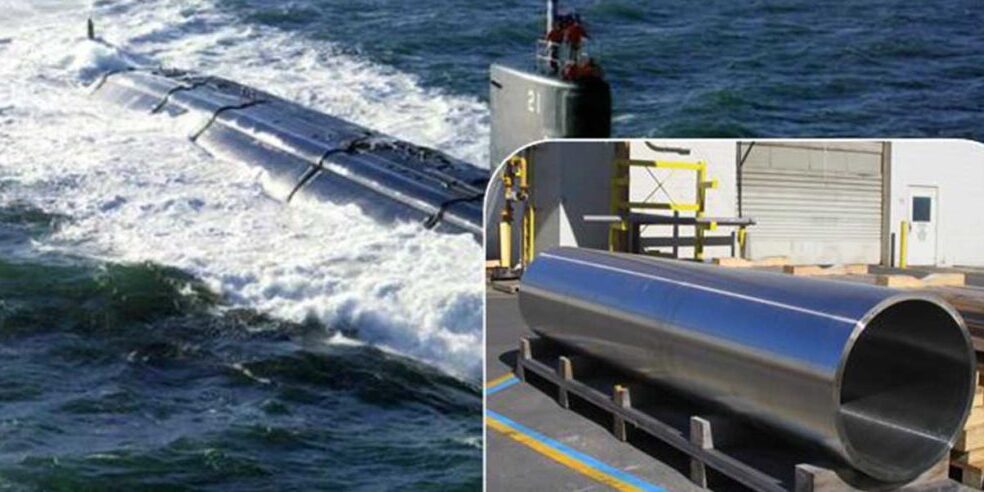
Aerospace & Defense Market – General Overview
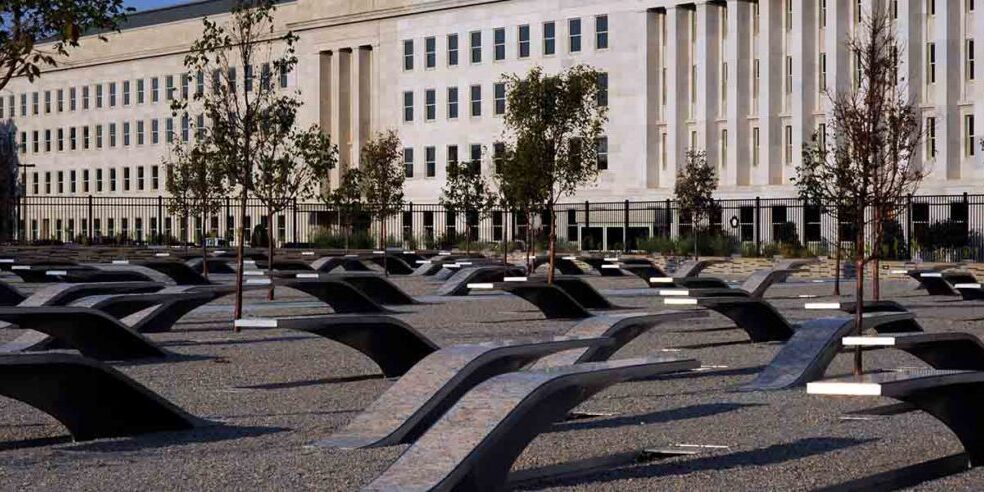
Making a Lasting Difference at the Pentagon Memorial
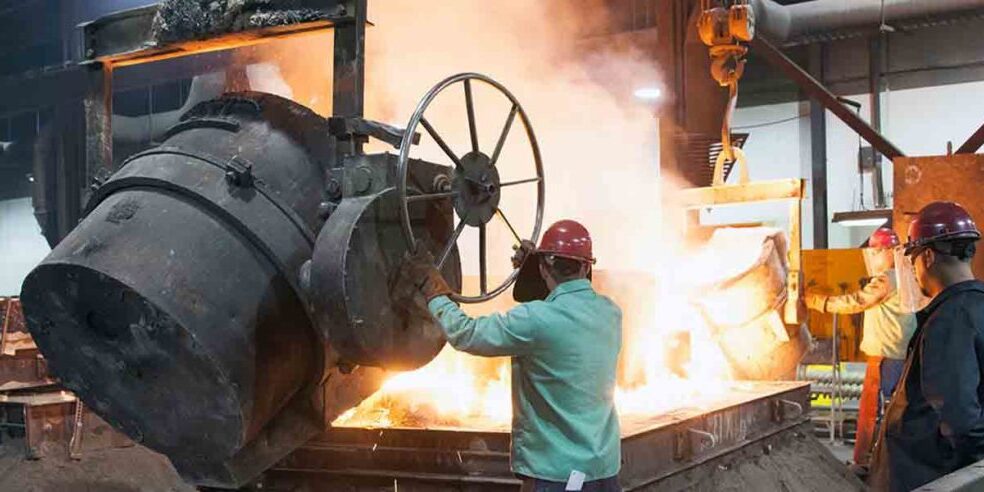
What to Look For When Choosing a Casting Supplier
Casting Processes: When To Use Which Method
What Makes A Good Conversion To A Metal Casting?
A Look at Using Cores to Create Internal Passageways in Metal Sand Castings

MetalTek International Glossary of Metal Casting Terms
5 Examples When Castings Were Better Option vs. Fabrication or Forging
Basics of Casting 101
What is Sand Casting and How Does It Work?
Sand Casting Process: Advantages and Limitations
Metal Casting vs. Metal Forging: 5 Things to Consider
History of Metal Casting